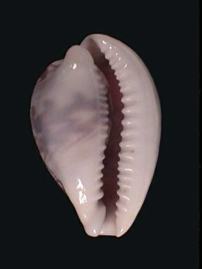
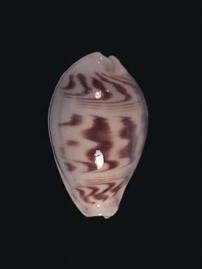
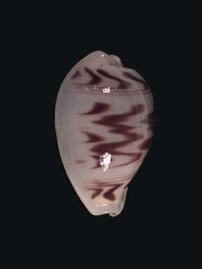
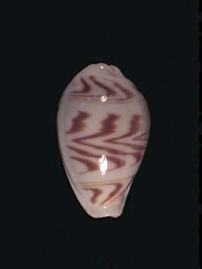
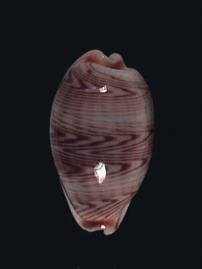
After intense search for this particular cowry, the time has
now come to showcase its amazing variations assembled
thoughout the years.
The history of the Dawn Cowry
Palmadusta diluculum (Reeve, 1845)
(Mollusca: Gastropoda: Cypraeidae)
Martini & Chemnitz 1884:
Cypraea undata Lamarck.
Taf. 28. Fig. 2-5.
Testa ovlata vel ovato-ventricosa, umbilicata, sulbtus alba lateribus
albidis fusco minusve dense punctatis, extremitatibus nigriccante-fusco
marginatis, dorso violaceo-fusco, albo tri vel quinque zonatis,
zonis fusco varie lineatim et maculatim undatis; apertura latiuscula
leviter arcuata, columella convexa in medio pallido caeruleo
maculata, dense et breve dentata; labrum incrassatum, dentibus
minus numerosis et minus densis armatum; sinus lati, parum profundi.
Variat colore rufescente zonis inconspicuis.
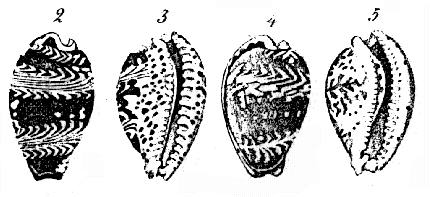
Long. 31, diam. max. 20, minus 15 Mm.
Cypraea undata Lamarck hist. nat. VII p. 393 (auf Argenville
Conch. t. 18 f. N. Favanne t. 29 f. L Martini Conch. Cab. I t.
23 f. 226, 227. Encycl. mÈth. t, 356 f. 11). Seba Conch.
llI t. 55 Nr. 19. Wood lnd. test. t. 17 f. 18. Gray Monogr. in
zool. Journ. I p. 372. Deshayes Encycl. meth. III p. 829. Gray
Desc. Cat. p. 12. Sowerby Conch. 111. f. 109. Kiener Coq. viv.
t. 30 f. 3. Deshayes Lamarck 2 Ed. X p 524 et nota. Sowerby Thes.
Conch. t. 19 f. 131ã134 non Chemnitz.
ã ziczac pars Linne-Gmelin, Schroeter, Lamarck
Ann. du hlus. Dillwyn etc.
ã diliculum Reeve Conch. Ic. t. 14 f. 65.
Luponia undata H. et A. Adams Gen. of shells p. 267 Chenu
Man. f. 1724. 1725.
Schale eifrmig oder bauchig-eifrmig, genabelt mit kurzen hinten
schwrzlich-braun gerandeten Enden; vorn weiss mit einem grossen
verwischten blulichen Placken auf der Spindel, Seiten weiss mit
mehr oder weniger dicht stehenden braunen Punkten, die oft bis
nahe an die Ml¸ndung herantreten; R¸cken violett-braun
mit 3 bis 5 weissen Spiralzonen geschm¸ckt, die in Zickzack
liniirt und gefleckt sind, diese Zeichnung ist recht manigfaltig
variirt, zwei dieser Zonen sind als Hauptzonen anzusehen, die
nebstdem obern Halsband oft allein vorkommen, dann tritt eineBasal-
und schliesslich eine schmale Mittelzone dazu, oft ist die ganze
Zeichnung verwischt und die Frbung zuweilen ganz hell rothbraun.
M¸ndung nicht eng, leicht gebogen, Spindel etwas convex
mit zahlreichen kurzen, dicht stehenden Zhnchen bewaffnet, whrend
die des ziemlich breiten Mundrandes minder dicht stehen, strker
und lnger sind; Ausschnitte ziemlich gross, aber weit und flach.
Vaterland: Zanzibar (Sow.), Seychellen und Chagos Ins. (Lienard),
Natal (Krauss), Philippinen (Cuming) Museum Loebbeckeanum.
Es ist unfruchtbar den Namen C. undata Lam. wegen C. undata Chemnitz
zu ndern, der eine junge Schale von C. mauritiana bezeichnet,
ganz abgesehen davon dass Chemnitz nicht im Linneschen Sinne
benannte, wenn dies auch manchmal so erscheint.
Here, Martini and Chemnitz propose that changing
the name undata because it is preoccupied by undata
Chemnitz (a juvenile mauritiana).
Original description:
Reeve 1845: Conchologia Iconica: Shells of Molluscous Animals
Vol. III
Cypraea diluculum
Cypr. testa subpyriformi-ovata, ventricosa, apertura flexuosa,
dentibus brevibus fortiusculis; dorso violaceo-castaneo, zornis
duabus aut pluribus undulato-albis ornantis, lateribus basique
albis, punctis perpaucis fuscis notatis, extremitatibus nigricante-castaneo-marginatis.
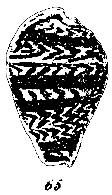
holotype figure
The Day-Break Cowrey. Shell somewhat pyriformly ovate, ventricose,
aperture flexuous, teeth short, rather strong; back violet-chesnut,
ornamented with two or more zones of zigzag white, sides and
base white, marked with a very few brown dots, extremities edged
with dark chesnut.
Cypraea ziczac (pars), Linnaeus, Martini. Cypraea undata,
Lamarck (not of Chemnitz.) Hab. Philippine Islands; Cuming.
This ancient and well-known species requires to be distiuguished
by a new name in consequence of the word undata, applied to it
by Lamarck, having been already used by Chemnitz in reference
to a shell which proves to be the young of the C. Mauritiana
(Conch. Cab. vol. V. p. 102). It was confounded by Linnaeus and
Martini with the C. ziczac, and is extremely well figured by
the latter in the first volume of his Conchylien Cabinet, published
in 1769.
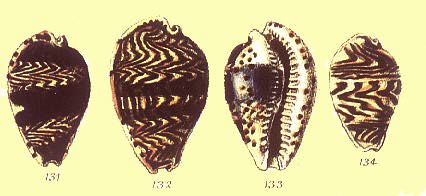
Illustration from Sowerby's Thesaurus
Schilder & Schilder 1938
Prodrome of a Monograph on Living Cypraeidae
diluculum Reeve 1845 (Two races in the Western Indian
Ocean).
The Lemurian virginalis (16.62.21.18) is smaller than
the S.E. African diluculum (24.61.19.17) with the dorsal
zones obsolete or quite dissolving, into fine zigzag lines beautifu1ly
contrasting with the pure white ground-colour; the lateral and
terminal spots are less accentuated to absent, the teeth are
finer and more numerous, and the aperture is less curved behind.
a virginalis nov. (= buttoni Oldroyd 1916). S. 134; K.
30: 3 a.
Seychelles to Chagos, Mauritius and N. Madagascar; Aden ? (5,
M-R,)
b diluculum Reeve 1845 (= undata Lam. 1822). S. 131-3
=
T. 16 : 33 ; K. 30 : 3 ; R. 65.
S E Africa: Natal to Zanzibar; Aden 7 (4, M)
Schilder & Schilder 1952
Ph. Dautzenberg's Collection of Cypraeidae
Palmadusta (Palmadusta) diluculum REEVE, 1845
| Races: |
virginalis SCHIL. & SCHIL. 1938 |
diluculum REEVE, 1845 |
| Distribution: |
ERY, AFR, LEM |
ERY, CAP, AFR |
| Formula: |
16(61)20:17 |
24(61)19:17 |
| Base: |
flattened |
less flattened |
| Aperture behind: |
straight, excepted in its hindmost part |
curved behind |
| Dorsal zones mostly: |
obsolete or dissolving |
well marked (in adult shells only) |
| Lateral and terminal spots: |
less accentuated to absent |
distinct |
The first formula expresses the number of the dorsal zones (i
= dissolving into zigzac-lines, 4=four dark zones, 3 = the two
central zones confluent) / and their colour (pel = pellucid);
the second formula indicates the size of the lateral spots /
and of the anterior + posterior terminal spots.
AFR. Cap Ste. Marie (DECARY):1 ex. = virrginalis ?: about 18,
dent. 19: 15, quite worn, so that we could hardly determine the
species; aperture much curved behind, base convex, anterior terminal
blotch absent.
LEM. Glorieuses (BUREAU B): 1 ex. = virginalis: 17(61)18: 17,
i/pel (ferrugineous), terminal spots n + v.
LEM. Nosy Irandja (GIVENCHY B): 1 ex.=virginalis: 19(61)22:16,i/pel
(ferrugineous),fine/s + i.
LEM. Diego Suarez (DECARY A): 2 ex. = virginalis: (both as worn
as the shell from Cap Ste. Marie): about 14, dent. 22: 15 and
16, dent. 19: 16, lateral spots distinct.
LEM. Madagascar ex. f. = diluculum: 20-30, dent. 18-21:16-17,
the adult shells are 4-3/bp-pn and n/n+n, largest shell exhibits
the right lateral spots confluent; the young shell is i/pb and
v/n + n.
LEM. Bourbon (ROSSIER R):1 ex. f. + 1 j. ex. f. = diluculum:
22, dent. 19: 17, 4/bp; 25, young, 3/pb, lateral spots wanting.
LEM. Mahe (CHERUBIM B): 2 ex. + 2 j. ex. + 1 jj. ex. = virginalis:
11, oliviform, i/bp, protoconch dark pb; 13-14(60)18-21: 14-17,
4-3/bp-pb and often fine/ n + n.
MEL. Nouv. Caledonie (BOUGIER A): 1ex.f.= diluculum: 23, 4/7
pel(orange) terminal spots n+ i.
GEN. Indian Ocean K: 10 ex.= diluculum: 19-28.
GEN Indopacific D: 7 ex. f.= diluculum: 21-29, 3/pb.
? Loc. ign. (BAVAY): 1 ex.= virginalis: 16, dent. 22: 18, dorsum
typical, n/n+n.
? Loc. ign. (coll. ign.): 3 ex. = virginalis: 14, i / suffused
with white, n/v + i; 15, 3/bp, v/i + i; 15(57)20: 19, i/b+p,
fine/i + i.ã12 ex. = diluculum: 5 shells 19-23, zones
obsolete;
G shells 20-25, with 4 or 3 zones, the largest shell is monstr.;
1 shell Z3, 4/pel (Ib).
DAUTZENBERGS shells show that all coasts of of Madagascar seem
to be inhabited by virginalis only. The chief characters distinguishing
the two races of diluculum consist in the size, in the straightness
of the aperture, and in the dorsal markings, while the difference
in dentition and in the terminal spots is not essential.
Burgess 1970 (and 1985)
The Living Cowries
35. CYPRAEA DILUCULUM Reeve, I845
Conch. Icon., Pl. I4, f. 65
Cypraea buttoni Oldroyd, I9I6, The Nautilus, Vol. 29,
No. 9, pp. I07-I08
Cypraea undata Lam., I822, sans vert., Vol. 7, n. 40,
p. 393
Palmadusta (Palmadusta) diluculum virginalis Sch.-Sch.,
I938, Proc. Mal. Soc., Vol. 23, p. I60
Pl. 7 f. F,Fl,G 32-0 to I3-6 mm (4)
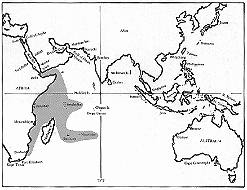
distribution map (1985)
Certainly Cypraea diluculum Reeve is one of the most spectacular
species (Figs. F,F1) in the animal world. The contrast of color
is well shown in the illustration. The variation (Fig. G) with
a pure white unspotted base, Palmadusta (Palmadusta) diluculum
virginalis Sch.-Sch. I938, has been found side by side under
the same coral block with the more common C. diluculum
on one occasion by Mr. Fred Mehta of Zanzibar (personal communication).
The animals in these two specimens have been preserved. I doubt
that study of the soft parts, which were grossly the same, will
show significant differences.
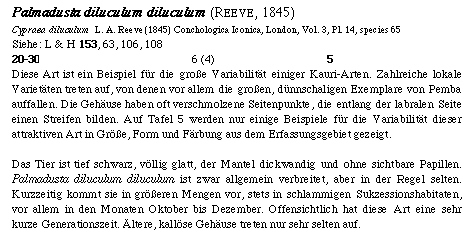
Animal: The animal is jet black. The mantle in preserved shells
appears thin and smooth. In Kiunga, Kenya, Ken Sargent reported
the shell among mangrove roots in very quiet water (un published
report). The animal there was also jet black.
Habitat: This cowrie is found in shallow water in dead coral
heads and under stones and coral slabs on a hard reef. Range:
Cypraea diluculum is found in Mauritius, in Zanzibar,
in Mozambique, and on the African coast between these areas.
It has also been reported from the Seychelles and southeast Africa.
Lorenz (1999)
Kauris von Ostafrika (Schr. Malak.)
Lorenz & Hubert (2000)
"A Guide to Worldwide Cowries"
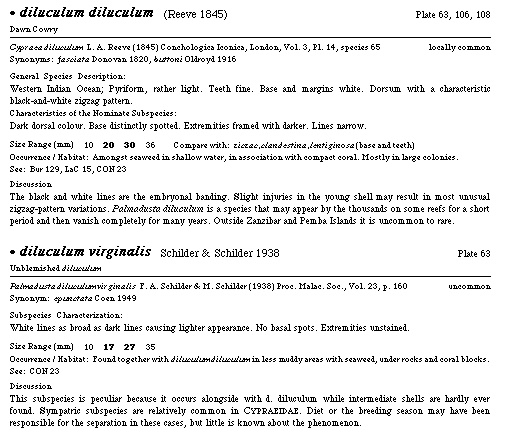
In our book, we dedicated a full colour plate
only to P. diluculum, but the information in total was
still superficial....
Now lets get to the point
An Update to the knowledge of Palmadusta diluculum
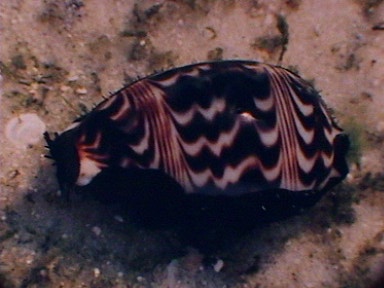
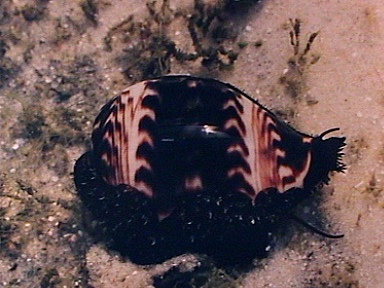
The animal of Palmadusta diluculum has been described
by Burgess (1970) but to my knowledge, never has a living animal
been illustrated. The photos confirm the description given by
Burgess. The papillae are very fine and branched. The animal
resembles P. clandestina, which apparently is the closest
relative, as it occasionally interbreeds with diluculum
(see below).
The radula has been illustrated by Bradner and Kay (1996) and
by me in 1999, but till today I had no opportunity to study in
detail the radulae of diluculum in comparison to d.
virginalis. The habitat was also described by Burgess, I
have found the species in sandy to muddy areas, under small stones
and pieces of coral, in the intertidal.
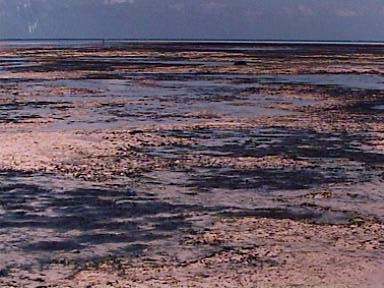
Msasani Bay, Dar-es-Salaam.
It appears that the species occurs in seasons, with long intervals
in which it is very rare. It is widespread throughout the western
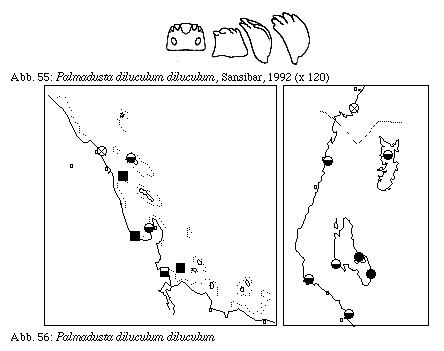
Indian Ocean, but only in two areas it is common: Pemba Island
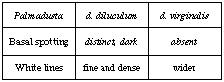
and Zanzibar Island. Morphologically, there are three branches
into which the species can be split: the classic diluculum-branch
comprises shells with dense basal spotting, a dark stripe over
the anterior extremity, and by the white dorsal zigzag-bands
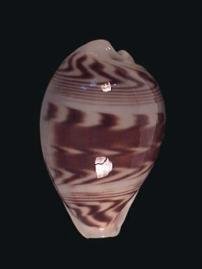
being narrower than the dark component, which dominates. Asecond
branch, which has largely been omitted in literature, was described
as magnifica Coen 1949. These shells are dark spotted
basally, the dark stripe on the anterior terminal is present,
but the dorsal colour components are equally white and dark,
making the shell look much brighter. This form, in contrary to
typical diluculum, is commonly found as callous shell.
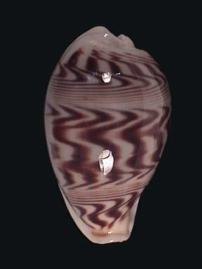
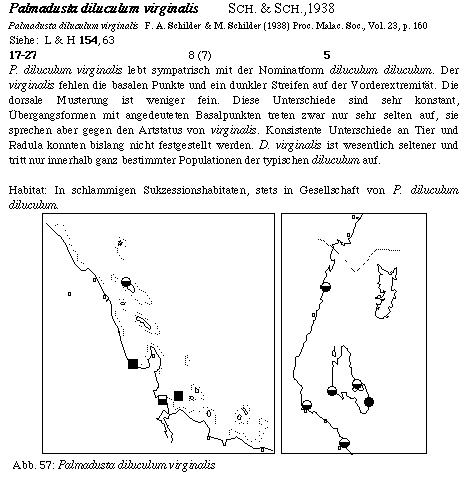
Finally, the third branch comprises the totally unspotted shells
we know as virginalis. The status of this taxon has been subject
of many discussions, as it occurs alongside with diluculum,
but only in certain places.
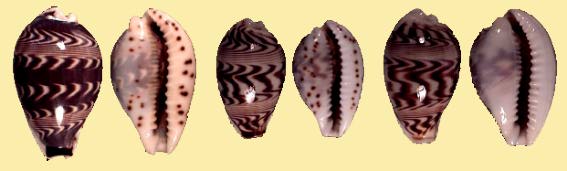
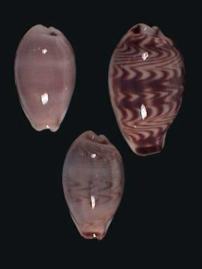
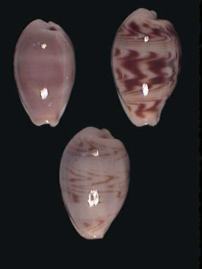
left: diluculum, middle: magnifica, right: virginalis
The distribution of these three forms is not homogenous, which
implies that they are not mere individual variations but genetically
determined. Another factor that speaks in favour of this is that
magnifica is the rarest form. If virginalis and
diluculum were extremes of just one variable species,
the intermediate form should be most common.
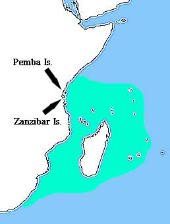
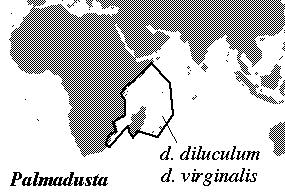
Distribution of diluculum |
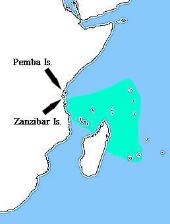
distribution of magnifica |
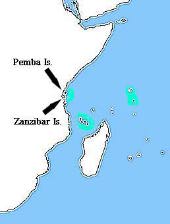
distribution of virginalis |
What these three really are in respect of their systematic position
cannot be said at this stage, but at least it is known what they
look like: the following gallery will illustrate their beauty
and characteristic features.
Even though these maps suggest it, diluculum
in NOT found on Mauritius itself, but on St Brandon Shoal, 450 km
northeast, which is part of the Mauritius Outlying Territories.
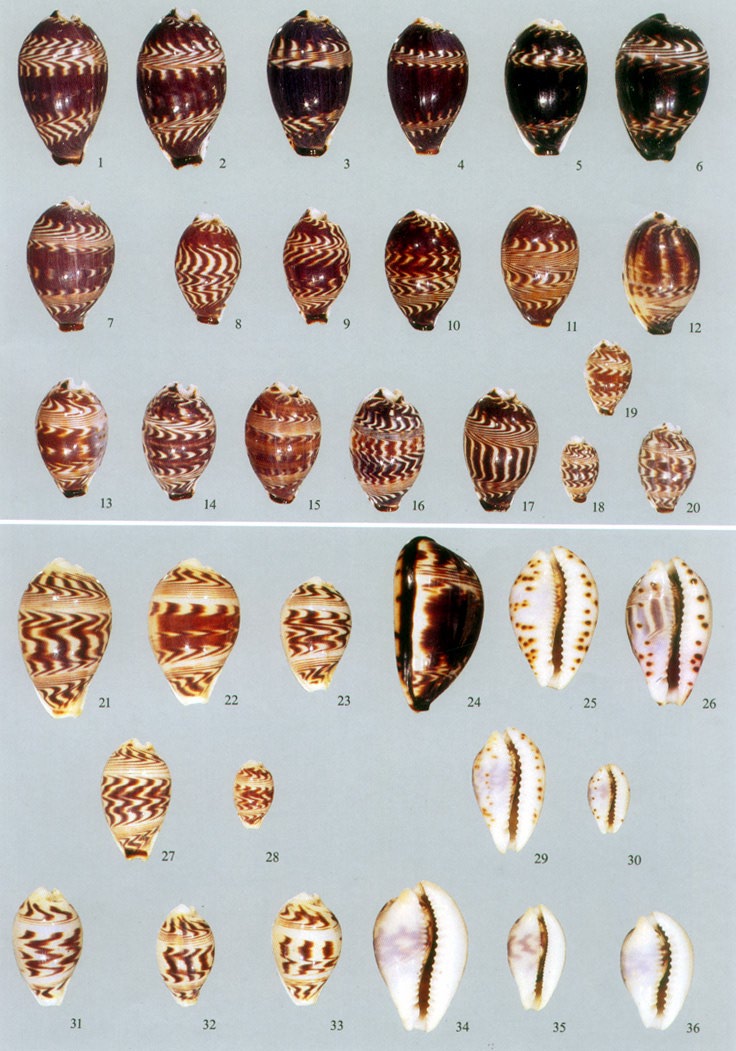
Gallery of Palmadusta diluculum and its variations
The variation -names used herein were invented for an exhibit
I made a few years ago. I have used them for specimens
in my collection.
They have no taxonomic value but they are precious to me, regardless.
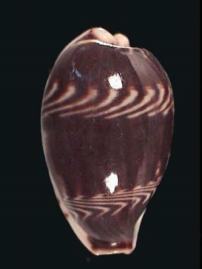
1. diluculum
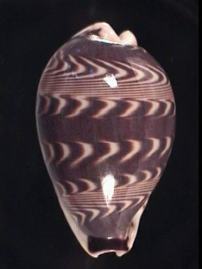
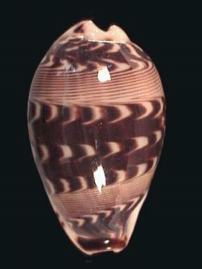
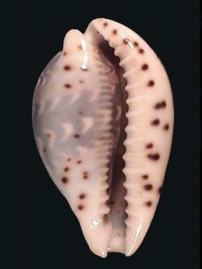 Palmadusta diluculum
, typical specimens, Pemba island
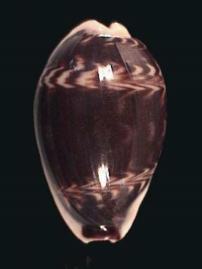
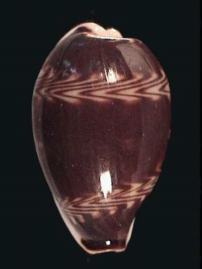
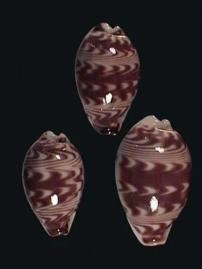
 Palmadusta diluculum
, bi-lineate form (no middorsal band),
Pemba island
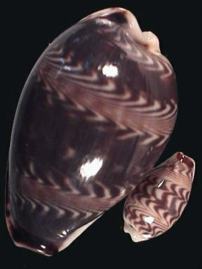
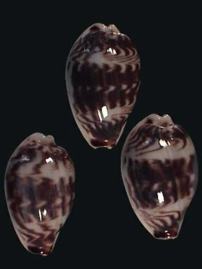 Palmadusta diluculum
, typical specimens: left: Mauritius,
middle: giant and dwarf, Tanzania, right: Seychelles
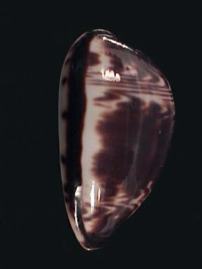
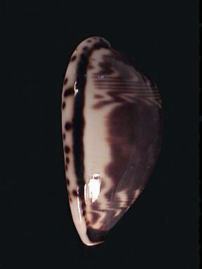
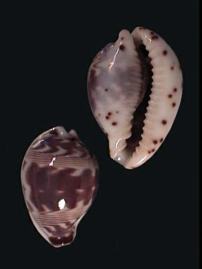
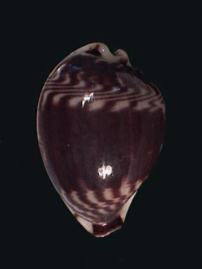
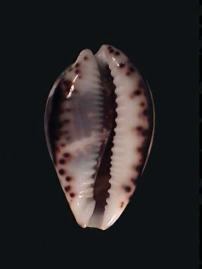 Palmadusta diluculum
, variation
nigromarginata,
Pemba island
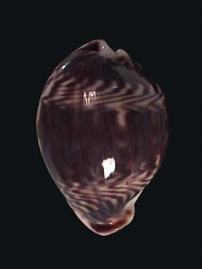
 Palmadusta diluculum
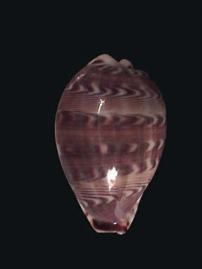
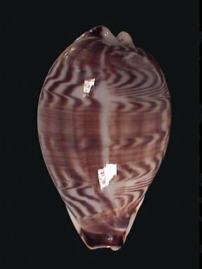
, freak variation
incurvata,
Pemba island
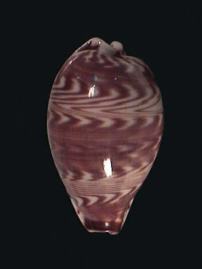 Palmadusta diluculum
, variation
interlineata in
which fine transverse lines cross the shell. Very rare, Pemba
island
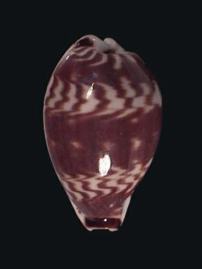
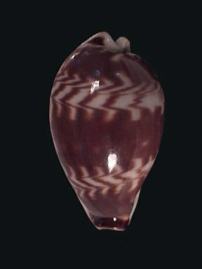
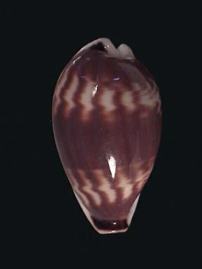 Palmadusta diluculum
, variation
staccata, with incomplete
zigzag-bands, Pemba island
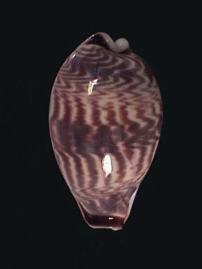
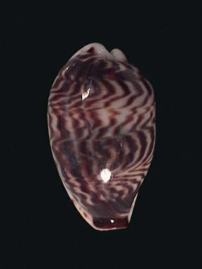
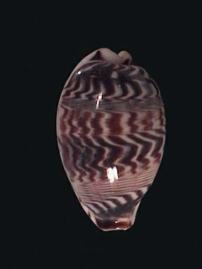 Palmadusta diluculum
, variation
confusa, Zanzibar
island
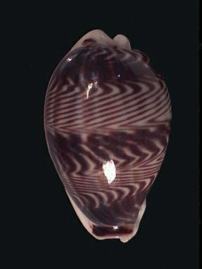
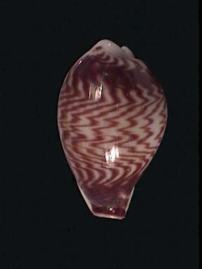
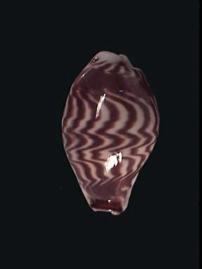 Palmadusta diluculum
, variation
multilineata, Pemba
and Zanzibar island
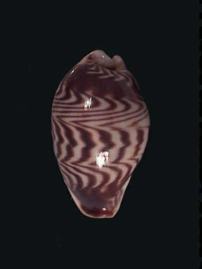
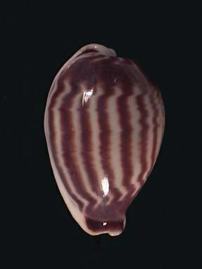
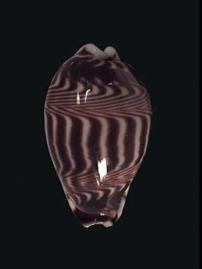 Palmadusta diluculum
, variation
parallela, Zanzibar
island
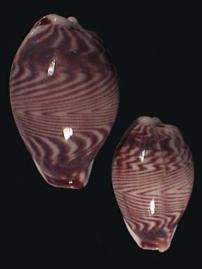
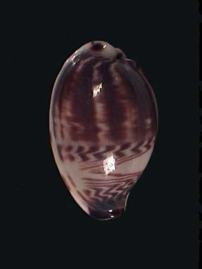
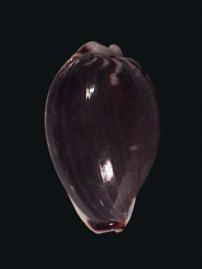 Palmadusta diluculum
, unnamed forms, Pemba and Zanzibar
island. On right: the only known specimen without any white lines!
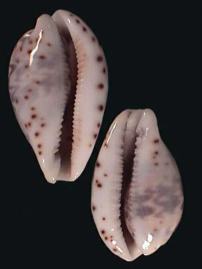
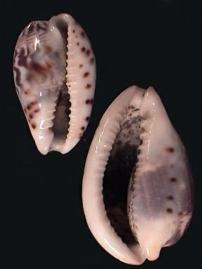
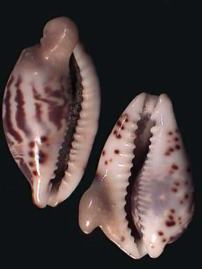 Palmadusta diluculum
, freaks: on left: variation
multidentata,
middle: variations
clausostoma and
apertostoma,
and on right variation
appendiculifera, Pemba island
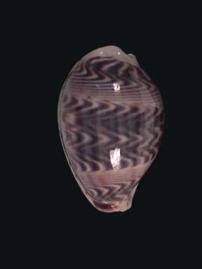
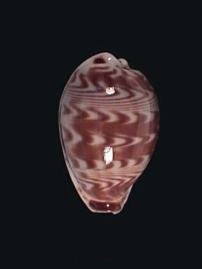
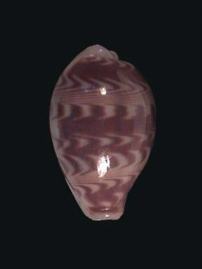 Palmadusta diluculum
, colour formae
azurea,
brunnea
and
argentea (overcast form), Zanzibar island
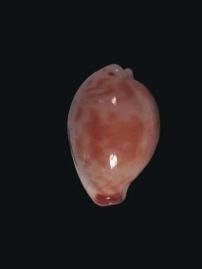
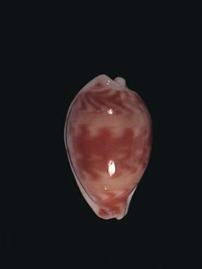
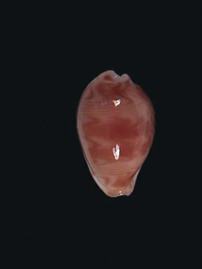 Palmadusta diluculum
, rare subfossil form, Bagamoyo, Tanzania
2. magnifica
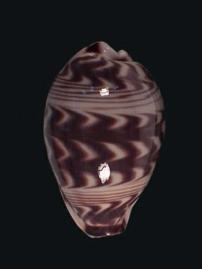
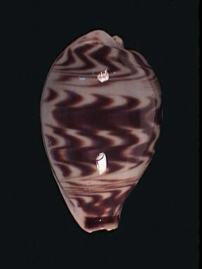
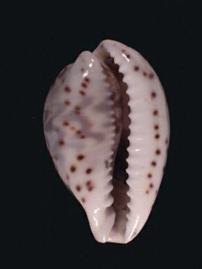 Palmadusta diluculum magnifica
, typical specimens, Zanzibar
island
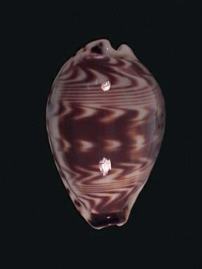
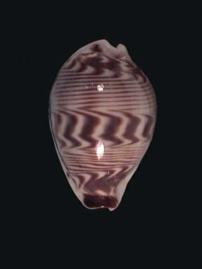
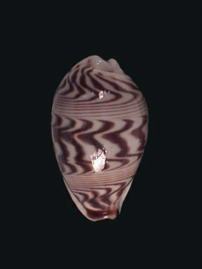
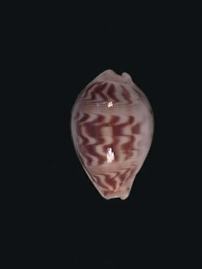 Palmadusta diluculum magnifica
, callous specimens, Zanzibar
island
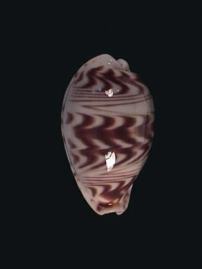
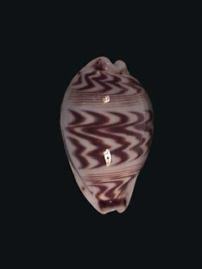 Palmadusta diluculum magnifica
, variation
pseudovirginalis,
Zanzibar island
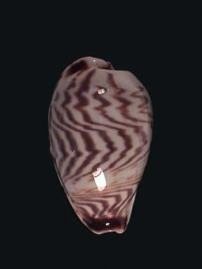
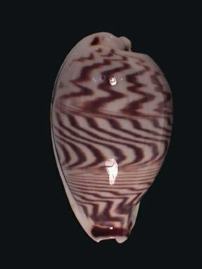
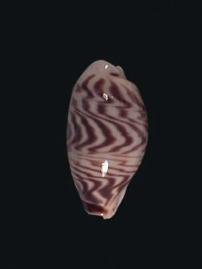 Palmadusta diluculum magnifica
, variation
pulcherrima,
Zanzibar island
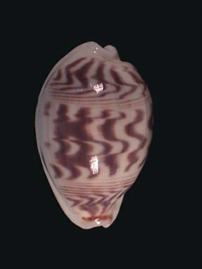
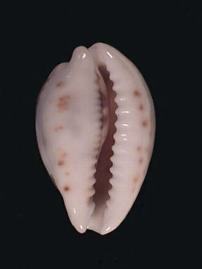
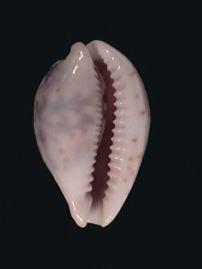 Palmadusta diluculum magnifica
, intermediate forms to
virginalis,
Zanzibar island